
Exploring the role of tradition in gambling cultures around the world
Exploring the role of tradition in gambling cultures around the world
The Historical Context of Gambling Traditions
The roots of gambling can be traced back to ancient civilizations, where it was often interwoven with cultural rituals and social practices. For instance, in ancient China, gambling with dice was a common pastime during festivals, reflecting the community’s belief in luck and fortune. Similarly, the Greeks and Romans utilized betting as part of their entertainment, highlighting how gambling was integrated into daily life and societal norms. Considering the safety and transparency of your options can be essential, which is why it’s crucial to explore the best UK forex brokers. These early traditions set the groundwork for the diverse gambling practices we see today.

As gambling evolved, various cultures developed unique customs and traditions surrounding it, often tied to significant life events such as marriages or religious ceremonies. For example, in some Native American tribes, traditional gambling games served as a way to strengthen community bonds and foster unity. Understanding these historical contexts helps illuminate how deeply ingrained gambling is in many societies around the world, influencing modern practices and attitudes toward games of chance.
The historical significance of gambling traditions also reveals the changing perceptions of risk and reward across cultures. In many societies, gambling was originally seen as a sacred activity that connected individuals to the divine. Today, this perception has shifted, and while some cultures maintain reverence for gambling traditions, others view it through a more commercial lens. This evolution reflects broader societal changes and attitudes towards luck, fate, and financial gain, illustrating the dynamic nature of gambling culture.
The Role of Rituals in Gambling Practices
Rituals play a pivotal role in many gambling cultures, often serving to enhance the experience and bring a sense of community among players. For instance, in Japan, the game of Pachinko is often accompanied by specific rituals, such as bowing before the machine and making offerings to deities for luck. These rituals serve not only to honor tradition but also to create an environment steeped in cultural significance. Participants engage not just in gambling but in a collective experience that resonates with historical and spiritual meaning.
In many African cultures, traditional games of chance are often accompanied by ceremonies that invoke ancestors’ blessings. For example, the game of Ludu in some West African nations is played during important family gatherings, underscoring the cultural significance of the event. Such rituals reinforce the bond between the players and their heritage, emphasizing the importance of community, respect, and shared history in gambling activities.
The intertwining of rituals with gambling highlights the psychological aspects of the games. Players often seek a psychological edge through the performance of rituals, believing that these actions can influence their luck or outcomes. This belief illustrates how tradition can shape behaviors in gambling, transforming what might otherwise be seen as a simple game of chance into a meaningful cultural event that fosters connection among individuals.
The Influence of Cultural Norms on Gambling Behavior
Cultural norms significantly impact gambling behaviors, dictating what forms of gambling are acceptable and how they are practiced. In countries like Norway, where gambling is tightly regulated, cultural attitudes lean towards viewing it as a recreational activity rather than a serious pursuit. This perspective fosters a more responsible gambling environment, emphasizing social responsibility and safety. In contrast, cultures that embrace high-stakes gambling, such as in Las Vegas, promote a more liberal approach, encouraging risk-taking and entertainment.
Moreover, societal attitudes toward gambling can also influence policies and regulations. In many Middle Eastern countries, for instance, gambling is often restricted or banned due to religious beliefs. This cultural norm shapes not only individual behaviors but also the legal landscape surrounding gambling, affecting how communities engage with games of chance. Understanding these variations is crucial in appreciating the global diversity of gambling practices.
The contrast in gambling norms across cultures also reveals the broader societal values at play. In cultures that emphasize collective well-being, such as in many Asian societies, gambling may be viewed with caution due to potential negative impacts on family and community. In contrast, societies that prioritize individualism may celebrate gambling as a form of personal expression and freedom. These differing values inform how traditions are upheld or adapted over time, reflecting the ongoing dialogue between cultural heritage and contemporary practices.
The Evolution of Gambling Traditions in the Digital Age
As technology advances, gambling traditions are evolving, influenced by the rise of online gambling platforms. Virtual casinos and mobile gaming have democratized access to gambling, allowing individuals from various backgrounds to participate. However, this shift poses challenges to traditional gambling practices, as the communal aspects often associated with physical casinos may diminish. As players engage in gambling from the comfort of their homes, the social rituals that once characterized these activities may be lost or transformed.
Despite the challenges, many online platforms are attempting to preserve traditional elements by integrating live dealer games and social features that replicate the casino environment. These innovations allow players to interact in real-time, fostering a sense of community even in a digital context. However, the balance between maintaining tradition and embracing modernity is delicate, raising questions about the future of cultural practices in the gambling sphere.
The evolution of gambling traditions also raises concerns about responsible gambling and addiction, particularly among younger generations drawn to the allure of online gaming. As traditional safeguards may not be as present in digital environments, it becomes vital for stakeholders to promote healthy gambling habits while respecting cultural norms. This conversation surrounding the integration of tradition and modern technology is essential for ensuring that gambling practices continue to evolve meaningfully and responsibly.
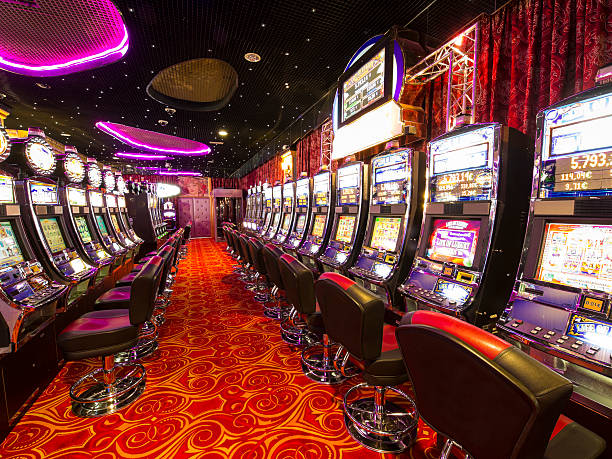
Conclusion and Resource for Further Exploration
In conclusion, the role of tradition in gambling cultures around the world is multifaceted, deeply rooted in history, rituals, cultural norms, and evolving practices. As societies navigate the complexities of modern life, the ways in which traditions are upheld or adapted will continue to shape gambling behaviors and experiences. Understanding these dynamics not only enriches our appreciation of gambling as a cultural phenomenon but also highlights the importance of maintaining a balance between heritage and innovation.
For those interested in delving deeper into the fascinating world of gambling cultures and traditions, our website offers a wealth of resources and insights. From comprehensive guides on global gambling practices to discussions about the impact of technology on traditional games, we aim to provide valuable information that caters to both enthusiasts and scholars alike. Explore our content and engage with the vibrant tapestry of gambling traditions that span the globe.